
LASIK vs. LASEK vs. PRK: Which Vision Correction Procedure is Right for You?
In today’s world, freedom from glasses and contact lenses is no longer just a dream it’s an achievable reality thanks to advanced vision correction procedures. But if you’ve started researching your options LASIK vs LASEK vs PRK , you’ve probably come across three similar-sounding names: LASIK, LASEK, and PRK.
While these procedures share the same goal clearer vision they differ in technique, recovery, and suitability. In this article, we’ll break down each option, explore their pros and cons, and help you understand which might be the best fit for your eyes.
Understanding the Basics
Before diving into the differences, let’s briefly explain how each procedure works.
LASIK (Laser-Assisted In Situ Keratomileusis)
LASIK is one of the most popular and widely performed vision correction surgeries worldwide. It involves creating a thin flap on the cornea, reshaping the underlying tissue with an excimer laser, and then repositioning the flap.
Best For: Patients with stable prescriptions, good corneal thickness, and minimal eye dryness.
LASEK (Laser Epithelial Keratomileusis)
LASEK is similar to LASIK but uses an alcohol solution to loosen the thin surface layer of the cornea (epithelium) instead of creating a flap. The laser then reshapes the cornea, and the epithelium is repositioned.
Best For: Patients with thin corneas or certain lifestyle needs where a corneal flap might pose risks.
PRK (Photorefractive Keratectomy)
PRK is the oldest of the three techniques and does not involve a corneal flap at all. The outer corneal layer is removed entirely, the cornea is reshaped with a laser, and the surface heals naturally over time.
Best For: Patients with thin corneas, high-impact sports lifestyles, or concerns about flap complications. American Academy of Ophthalmology
Key Differences at a Glance
| Feature | LASIK | LASEK | PRK |
|---|---|---|---|
| Flap Creation | Yes | No (epithelium preserved) | No |
| Pain Level | Minimal | Mild discomfort | Mild to moderate |
| Recovery Time | 1–2 days | 4–7 days | 5–7 days |
| Return to Work | Next day or 2 days | About a week | About a week |
| Ideal For | Most common candidates | Thin corneas | Thin corneas & active lifestyles |
Pros and Cons of Each Procedure
LASIK
✅ Quick recovery (often within 24–48 hours)
✅ Minimal discomfort during and after surgery
✅ High success and satisfaction rates
❌ Not ideal for very thin corneas
❌ Rare risk of flap-related issues
LASEK
✅ Suitable for thinner corneas than LASIK
✅ Less risk of flap complications
✅ Preserves more corneal tissue
❌ Slightly longer recovery
❌ More discomfort compared to LASIK
PRK
✅ No flap ideal for contact sports or high-impact activities
✅ Suitable for thin corneas
✅ Long-term results comparable to LASIK
❌ Longer visual recovery period
❌ More post-operative discomfort
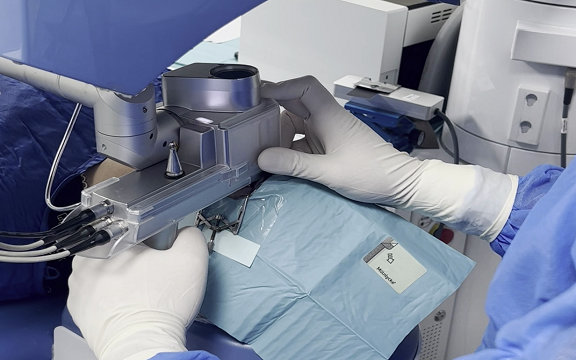
LASIK patients often return to normal activities within a couple of days, while LASEK and PRK require more patience due to the longer healing process. All three procedures require follow-up appointments to monitor healing and visual clarity.
For the first few weeks, your surgeon will recommend avoiding rubbing your eyes, swimming, or dusty environments to reduce infection risks and promote smooth recovery.
Which One Is Right for You?
The best procedure depends on your:
- Corneal thickness
- Prescription stability
- Lifestyle and activities
- Eye health history
Only a comprehensive eye exam can determine your suitability for LASIK, LASEK, or PRK. At Laser Eye World, Dr. Rayyan Zakir uses advanced diagnostic technology to customize the safest and most effective vision correction plan for each patient.
The Bottom Line
All three procedures LASIK, LASEK, and PRK are safe, effective, and capable of delivering long-term vision correction. The differences mainly lie in surgical technique, recovery time, and ideal candidates.
If you’re ready to leave glasses and contact lenses behind, schedule a consultation with Dr. Rayyan Zakir at Laser Eye World to find the best vision correction option for your eyes.